
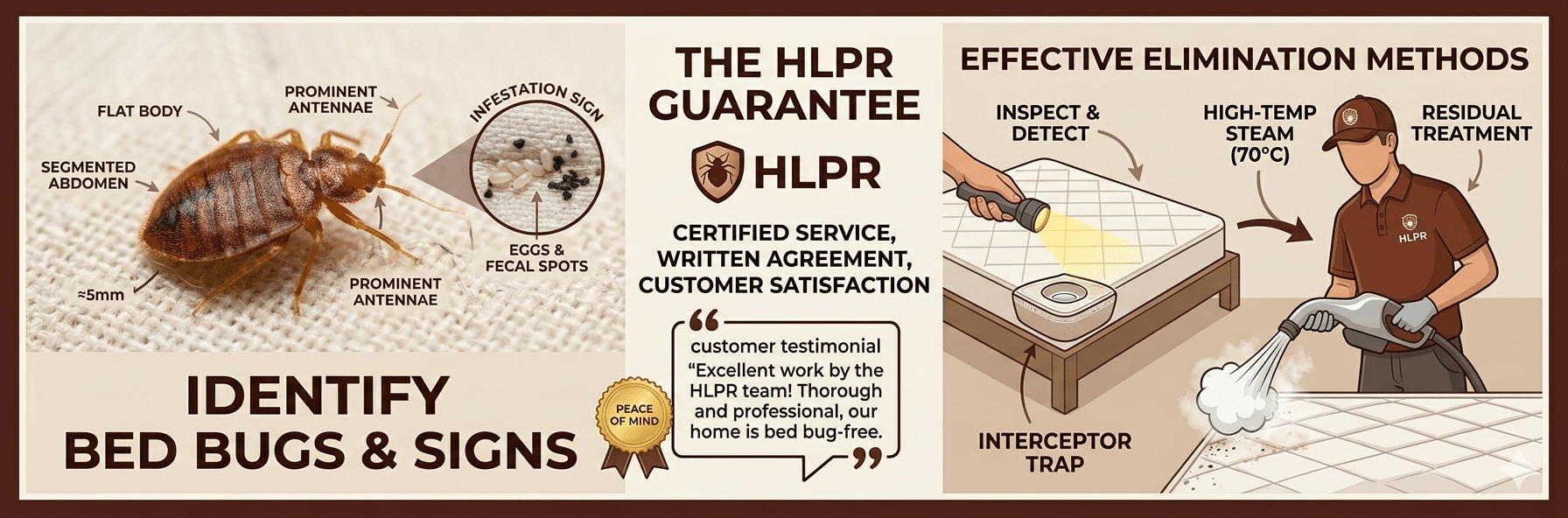
Bed bugs are a growing concern for homeowners and property managers in Egypt, particularly in high-density urban areas like Cairo, Maadi, and New Cairo. These resilient pests disrupt sleep, cause itchy allergic reactions, and spread rapidly if left unchecked.
This comprehensive guide covers how to identify bed bug infestations, immediate steps you can take to control them, and why professional intervention is the most reliable path to total eradication.
محتويات المقال
1. Understanding Bed Bugs (Cimex lectularius)
Bed bugs are small, nocturnal, wingless insects that feed exclusively on the blood of humans and warm-blooded animals.
Physical Characteristics
-
Size: Adult bed bugs measure approximately 4 to 7 millimeters in length (roughly the size of an apple seed).
-
Shape: They possess flat, oval-shaped bodies. However, after a blood meal, their bodies become swollen, elongated, and reddish-brown.
-
Behavior: Being nocturnal, they avoid light and remain hidden during the day within tight cracks, crevices, and fabric seams.
Why Infestations Are Rising in Egypt
Bed bugs do not correlate with a lack of cleanliness. They are transient pests introduced into clean environments via luggage, secondhand furniture, clothing, or shared walls in apartment complexes. The warm climate accelerates their reproductive cycle, allowing a minor introduction to develop into an infestation quickly.
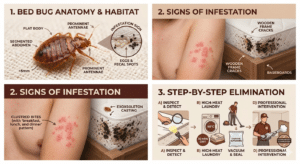
2. Signs of a Bed Bug Infestation
Early detection minimizes structural spread and mitigation costs. Inspect your sleeping areas for these specific signs:
Live Insects and Nymphs
Look for adult bugs or smaller, translucent nymphs in the tufts, seams, and buttons of mattresses, as well as behind headboards and inside bed frames.
Fecal Spotting and Blood Smears
Bed bugs leave small, dark brown or black fecal spots on sheets, mattresses, and surrounding walls. You may also notice small blood spots on bedding from accidental crushing during sleep.
Shed Exoskeletons and Eggs
As nymphs grow, they shed their skins (castings) five times before reaching maturity. These empty, pale-yellow husks accumulate near hiding spots, alongside tiny, pearly-white eggs (about 1 mm long) glued to surfaces.
Cutaneous Symptoms (Bites)
While bites alone are not a definitive diagnostic tool—as reactions vary—they typically present as itchy, red welts arranged in a localized line or cluster, often referred to as a “breakfast, lunch, and dinner” pattern.
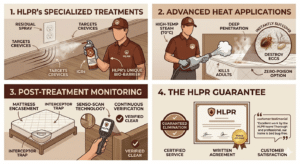
3. Step-by-Step Guide to Getting Rid of Bed Bugs
Eradicating bed bugs requires a systematic approach combining mechanical elimination, thermal treatment, and targeted chemical applications.
[Inspect & Locate] ➔ [Isolate & Clean Fabrics] ➔ [Vacuum & Clean Surfaces] ➔ [Apply Targeted Treatment]
Step 1: Deep Vacuuming
-
Vacuum all carpets, rugs, bed frames, mattresses, and surrounding baseboards thoroughly.
-
Use a brush attachment to dislodge eggs from mattress seams.
-
Critical Safety Step: Immediately seal the vacuum bag or canister contents in a plastic bag and dispose of it in an outdoor trash receptacle to prevent re-entry.
Step 2: Thermal Laundering (Heat Treatment)
-
Gather all bedding, linens, curtains, and clothing exposed to the infested room.
-
Wash fabrics at a minimum temperature of 60°C.
-
Dry the items on high heat for at least 30 minutes. High temperatures effectively kill bed bugs at all life stages, including eggs.
-
Seal laundered items in clean, airtight plastic bags until the room treatment is complete.
Step 3: Steam Cleaning
-
Apply high-temperature steam (minimum 70°C) to mattress seams, upholstered furniture, bed frames, and baseboard cracks. Steam penetrates deep into porous materials where insects hide.
Step 4: Sealing Cracks and Crevices
-
Use caulk to seal gaps in plaster, baseboards, and wood trim.
-
Repair or re-paste peeling wallpaper to eliminate potential harborages.
4. Limitations of DIY Chemical Treatments
Over-the-counter insecticides often yield incomplete results for several reasons:
-
Resistance: Many bed bug populations have developed physiological resistance to common pyrethroid-based consumer sprays.
-
Scattering: Improper application of DIY chemicals can irritate the insects without killing them, causing the colony to scatter deeper into walls or adjacent rooms.
-
Egg Survival: Most consumer products do not kill bed bug eggs, leading to a resurgence of the infestation within weeks.
5. Professional Pest Control Services
When self-treatment proves insufficient, professional pest control provides a definitive solution.
Integrated service providers, such as HLPR, utilize an Integrated Pest Management (IPM) framework to resolve infestations safely and effectively.
Advanced Diagnostic Tools
Professional technicians systematically inspect properties to locate hidden harborages behind walls, electrical outlets, and floorboards.
Specialized Treatment Methodologies
-
Targeted Chemical Applications: Utilizing professional-grade, residual insecticides and insect growth regulators (IGRs) that break the reproductive cycle.
-
Industrial Heat and Steam Equipment: Deploying commercial-grade thermal equipment to treat large spaces uniformly.
Safety and Certification
Professional interventions ensure compliance with health standards, using formulations that are safe for residential environments, families, and pets.
Frequently Asked Questions (FAQs)
Can bed bugs live in pillows?
Yes. Bed bugs can inhabit the seams, zippers, and interior filling of pillows, especially if they are close to the primary mattress or headboard.
Do bed bugs travel from room to room?
Yes. Bed bugs move through wall voids, electrical conduits, pipe chases, and along baseboards to find new hosts in adjacent rooms or apartments.
How long can bed bugs live without feeding?
Depending on ambient temperatures and humidity levels, adult bed bugs can survive for several months up to a year without a blood meal by entering a low-metabolic state.
Professional Pest Treatment by HLPR
If you suspect a bed bug infestation in your home or business, early intervention prevents further spread. HLPR provides professional pest treatment services across Greater Cairo, including Maadi, New Cairo (Tagamo3), Madinaty, and 6th of October City.
Our certified technicians employ rigorous, ISO-quality standards to safely eliminate pest populations and safeguard your living environment.
Contact HLPR today to request a professional inspection and estimate:
-
Website: hlpr.eg
-
Phone: 01014633360
-
Address: Building 4, Street 151, Al Horriya Square, Maadi, Cairo.
