
Cleaning for health is a proactive approach that can dramatically reduce the spread of infectious diseases—are you ready to take charge?
Maintaining a clean and healthy environment is more important than ever in today’s world.
The idea of cleaning for health has become more important for people, families, and organizations as we negotiate a variety of health issues and increased knowledge of hygiene practices.
In order to protect our health and wellbeing, regular disinfection should always be a crucial part of our lives.
محتويات المقال
Understanding Cleaning for Health
Cleaning for health is more than just keeping things neat. It entails putting into practice efficient disinfection and cleaning practices that concentrate on harmful bacteria, allergies, and pollutants that may endanger human health.
This preventive approach is particularly important in settings such as homes, schools, offices, and healthcare facilities, where the risk of illness can be higher.
The Role of Disinfection
The process of disinfecting a surface involves getting rid of or lowering dangerous bacteria to a to a level that is considered safe.
Cleaning gets rid of dirt and other contaminants, whereas disinfection focuses on the germs that might make people sick, Regular disinfection helps to:
- Decrease the Spread of Contagious Illnesses: Bacteria and viruses may live on surfaces for a variety of times. Frequent cleaning of high-touch places, such light switches, doorknobs, and shared equipment, can greatly lower the chance of infection spreading.
- Protect Vulnerable Populations: People with weakened immune systems, the elderly, and small children are among the categories most vulnerable to infections. We can prevent potential health risks for these vulnerable individuals by sticking to a strict disinfection schedule.
- Improve Indoor Air Quality: Cleaning for health also involves addressing indoor air quality. Regular cleaning and disinfection can reduce dust and mold, contributing to a healthier living environment and reducing respiratory issues.
- Enhance Mental Well-Being: A setting that is orderly and tidy helps improve mental health. An organized area encourages a sense of peace and control, but clutter and grime can add to tension and worry.
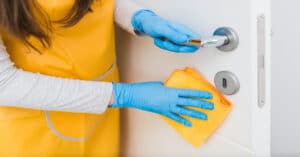
Best Practices for Regular Disinfection
To effectively practice cleaning for health, consider the following best practices:
- Develop a Cleaning Schedule: Create a routine that outlines when and where cleaning and disinfection will take place. High-traffic areas should be cleaned more frequently.
- Use the Right Products: Make sure the disinfectant and cleaning supplies are appropriate for the surfaces you’re cleaning. Seek out disinfectants with EPA approval that are strong against a variety of bacterial infections.
- Focus on High-Touch Surfaces: Pay special attention to surfaces that are frequently touched, such as countertops, phones, keyboards, and bathroom fixtures.
- Educate Household Members or Staff: Raise awareness about the importance of cleaning for health among family members or employees. Encourage everyone to participate in maintaining a clean environment.
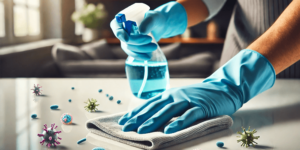
Incorporating regular disinfection into our cleaning routines is a crucial step in promoting health and well-being.
By embracing the principles of cleaning for health, we can create safer, cleaner environments that protect ourselves and those around us.
As we move forward in a world that is increasingly aware of the importance of hygiene, let us make a commitment to prioritize regular disinfection as an essential aspect of our daily lives.
Together, we can foster healthier communities and contribute to a brighter, healthier future.
You can find a professional article titled “8 Simple Tips for a Sparkling Space” on our website here. This article provides practical and effective strategies to help you achieve a clean and inviting environment. Whether you are looking to declutter your home or enhance your cleaning routine, these tips will guide you towards creating a sparkling space that promotes health and well-being.
