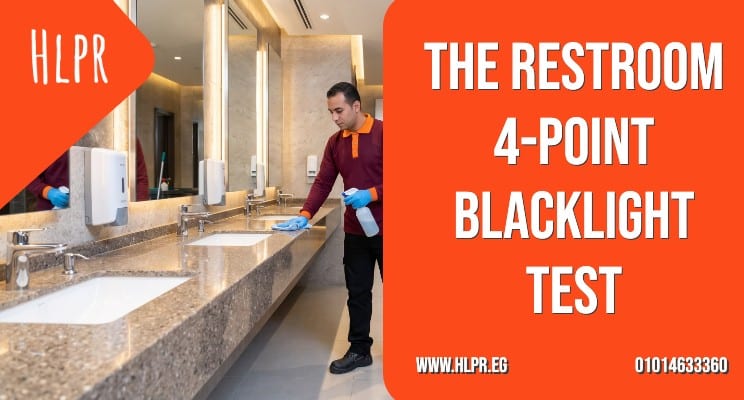
A restroom that smells like heavy pine or artificial lavender isn’t necessarily clean. Often, heavy fragrance is used to mask active uric salt buildup.
Commercial restrooms require objective biological hygiene, not olfactory camouflage.
Here is a 4-point verification check for your next walk-through:
Behind the Trap & Fixture Hinges: The junction between the ceramic toilet base and the tiled floor is where uric acid crystallizes and causes persistent odors.
Underside of Counter Lips: Countertop edges right above paper towel bins collect damp splash-back and mildew.
Partition Latch Plates: The internal sliding locks on restroom doors are rarely wiped down with disinfectant, making them peak transmission points.
Grout Discoloration: Darkened floor grout lines around urinals indicate dried urine that routine mopping just spreads around. They require enzymatic cleaners, not standard floor soap.
True cleanliness has no artificial smell—it simply smells neutral and fresh.
Does your facility team audit restroom hygiene using visual indicators or olfactory ones?
#WorkplaceHygiene #FacilityAudit #RestroomSanitation #CorporateOffices #HLPR
The Restroom 4-Point Blacklight Test